Should Freelancers Ask for a Deposit? When to Require One and How Much
Should freelancers ask for a deposit? Learn when to require upfront payment, how much to charge, and how to include it on your invoice — without scaring clients away.
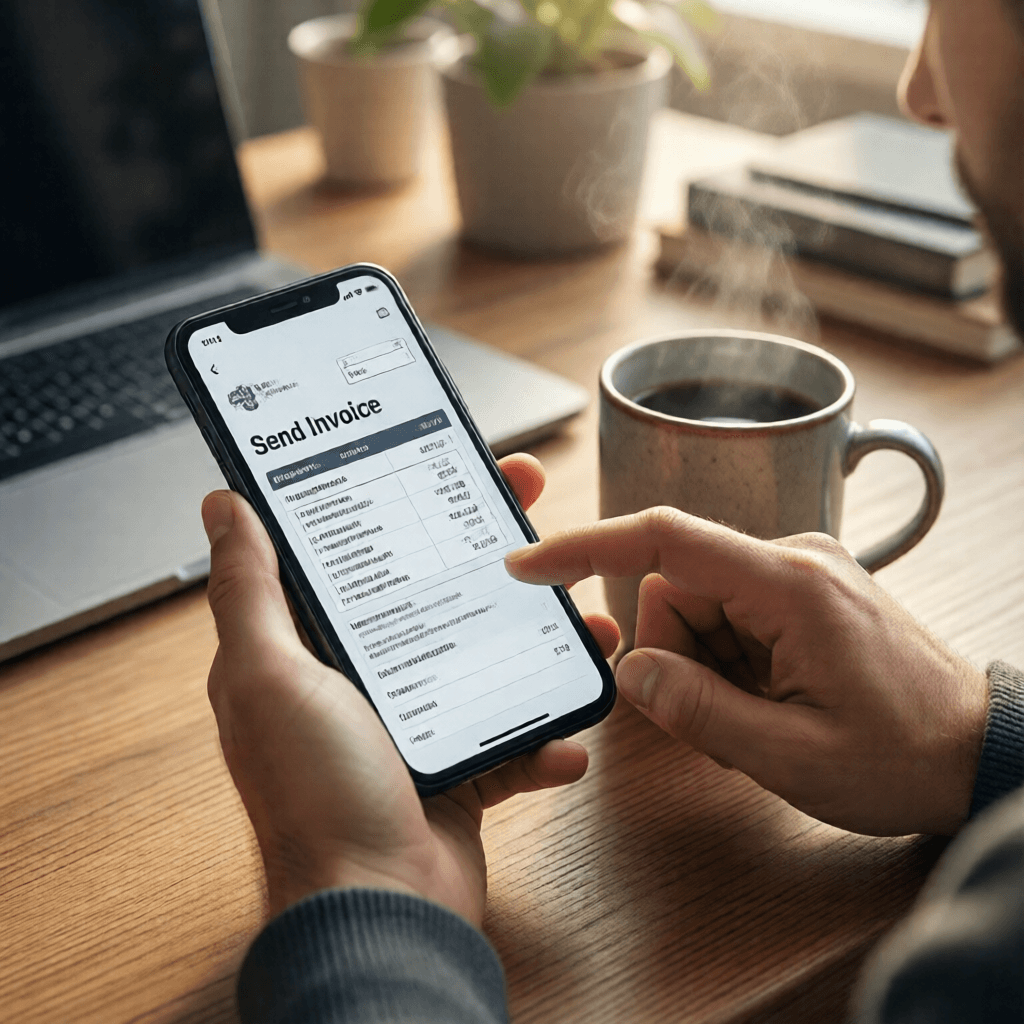
- A freelance deposit is professional standard — not a confrontation. Industry norm is 25–50% upfront.
- Require one for new clients, projects over $500, or any custom work.
- 50% is the sweet spot for most projects — 25% for small jobs, 100% for rush or red-flag clients.
- Use the two-invoice method: deposit invoice before you start, final invoice on delivery.
Two weeks of work. A finished project. A client who vanished. If that sequence sounds familiar, you already know the answer to "should I charge a freelance deposit?" — but let's make it official, because the freelance deposit conversation still makes too many good people nervous.
Yes, Freelancers Should Ask for a Deposit — Here's Why
A deposit does two things simultaneously: it covers your time when a client ghosts, and it filters out anyone who was never serious. Committed clients pay deposits. Flaky ones argue about them. That argument itself is your answer.
Across design, copywriting, web development, and photography, the professional standard is 25–50% upfront before a single keystroke. Not asking signals inexperience. Asking signals a working business. Once a deposit clause lives inside your contract and your onboarding email, clients rarely push back. It becomes routine — for both of you.

When You Should (and Shouldn't) Require a Deposit
Situations differ. Here's a fast read on when to hold firm and when you have room to flex.
- New client with no payment history
- Project value over $500
- Custom or non-transferable deliverables
- Tight deadline requiring schedule blocking
- Project spans multiple weeks or phases
- Your gut says the client is disorganized
- Long-term client with a perfect payment record
- Quick turnaround job under $150
- Large corporate client on a formal PO process
- Retainer relationship already in place
That "skip" column is deliberately short. Even with repeat clients, many freelancers keep a smaller deposit — 25%, say — to maintain the habit and protect the expectation. One waiver has a way of becoming the new policy.
How Much to Charge as a Deposit (With Real Examples)
Three tiers cover almost every project you'll encounter.
Right for smaller jobs or established clients you're introducing to a deposit structure. It covers your first work session if the engagement unravels early.
The most common split, and for good reason. Half now, half on delivery — fair to both sides, clear mutual commitment. On a $1,200 web project: $600 upfront, $600 when you hand over the files.
Fully justified for jobs under $200, any rush request (you're rearranging your calendar for them), or a new client who's already difficult in the inquiry stage. Demand it. No apology needed.

Consider a freelance brand designer who spent years invoicing 100% on delivery — and years chasing payments that never came. One switch to a 50% deposit policy and the ghost clients essentially self-selected out. The ones who refused to pay upfront moved on. That's not a loss. That's a filter working exactly as designed.
If you're still calibrating your overall pricing, our guide on how much to charge as a freelancer pairs well with this.
How to Put a Deposit on Your Invoice
The cleanest method is the two-invoice system. Professional. Unambiguous. No room for "but I thought..." disputes.
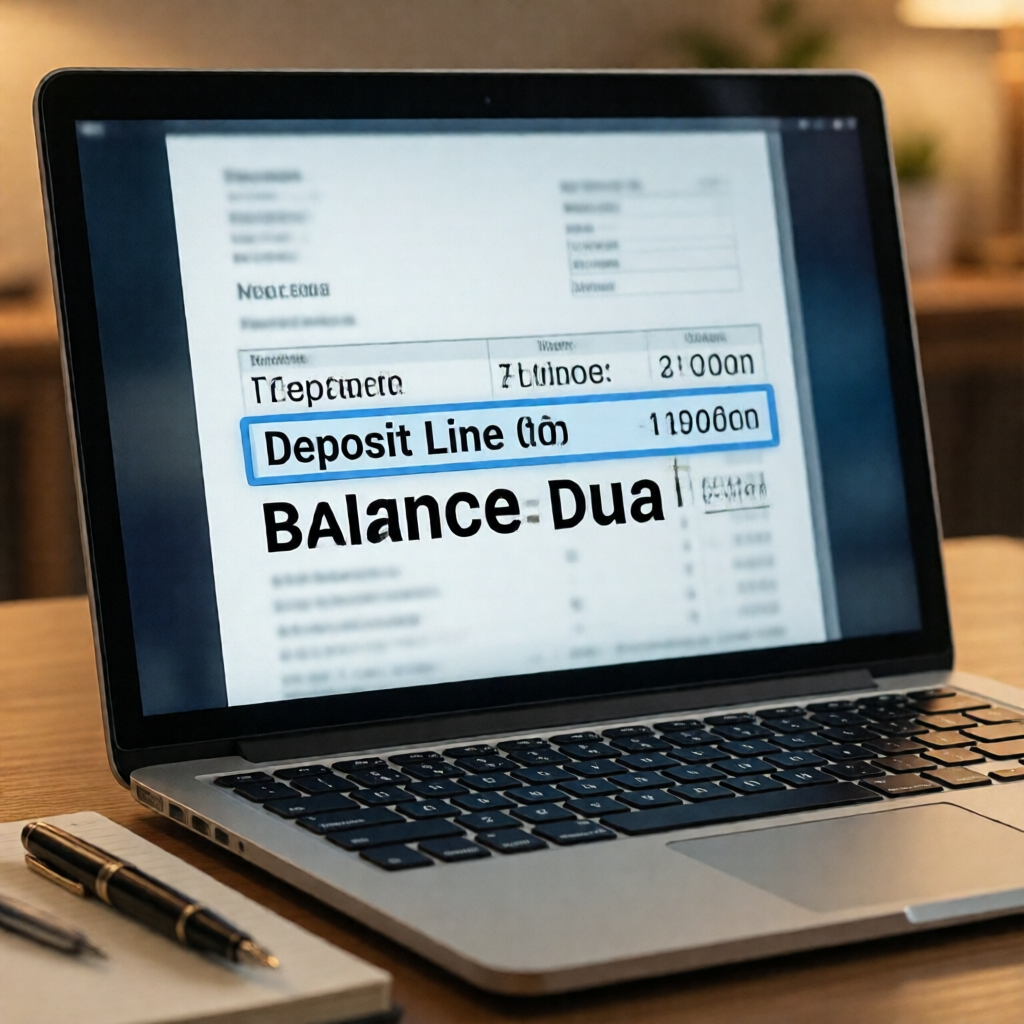
Invoice #1 — the deposit invoice. Sent before any work begins. Line item reads: Project Deposit – 50% of total project fee. Due date: on receipt, or before project start. Work does not begin until this clears. Non-negotiable. That last part matters — say it to your clients, then hold it.
Invoice #2 — the final invoice. Sent on delivery. Show the full project fee, then subtract the deposit as its own line item: Deposit Paid – ($600.00). Balance due is what remains. The math is visible. "But I already paid you" confusion simply can't happen.
"A deposit invoice isn't aggressive — it's how professional freelancers run a business."
Getting your invoice payment terms right on both documents is essential. State your deposit policy in the contract and on the invoice. When terms are explicit, disputes are rare. After delivery, use a short window — Net 7 or Net 14 — to keep momentum alive rather than letting the final payment drift for weeks.
For harder data on what actually accelerates payment, the get paid faster invoicing data post breaks down exactly which invoice habits correlate with on-time collection.
Most freelance contracts are legally enforceable once both parties agree in writing — even over email. If a client cancels after work begins, your contract terms determine how much of the deposit you keep. Put the policy in the contract. Not just the invoice.
If you're also learning how to invoice as a freelancer without getting underpaid, deposits are one piece of a larger picture — payment terms, late fees, and invoice structure all work in concert.
Charge a deposit — minimum 50% for new projects. Use the two-invoice method. The clients worth keeping won't balk. The ones who do are showing you, before a single file is delivered, exactly how the rest of the engagement will go.
Frequently Asked Questions
Is it normal to ask for a deposit as a freelancer?
Completely standard. Most experienced freelancers require 25–50% upfront to secure a project start date and cover initial work time. Asking for a deposit signals a professional operation — not distrust.
What happens if a client refuses to pay a deposit?
A client who refuses any upfront payment is a late-payment risk. You can negotiate down to 25%, or require full payment upfront for smaller projects. What you should not do is waive it entirely just to close the deal. That's how you end up chasing invoices for months — and usually still losing.
How do I invoice a client for a deposit?
Send a separate deposit invoice before work begins, with a line item labeled "Project Deposit – 50% of total." At delivery, send a final invoice showing the full fee minus the deposit already paid, with the remaining balance due. Keep both invoices on file. Simple, clean, dispute-proof.
Ready to send your first deposit invoice?
Build a clean, professional deposit invoice in under two minutes — no account required.
Create a Free Invoice →